In today’s reading, we see the waters of the flood subside, ushering in a new beginning for Noah and his family (Genesis 8–9). Shortly afterward, Scripture provides a genealogical record (Genesis 10) before shifting to one of the most intriguing accounts in the Bible: the Tower of Babel (Genesis 11). These chapters reveal profound truths about renewal, human ambition, and the power of unity—lessons that resonate powerfully in our modern world.
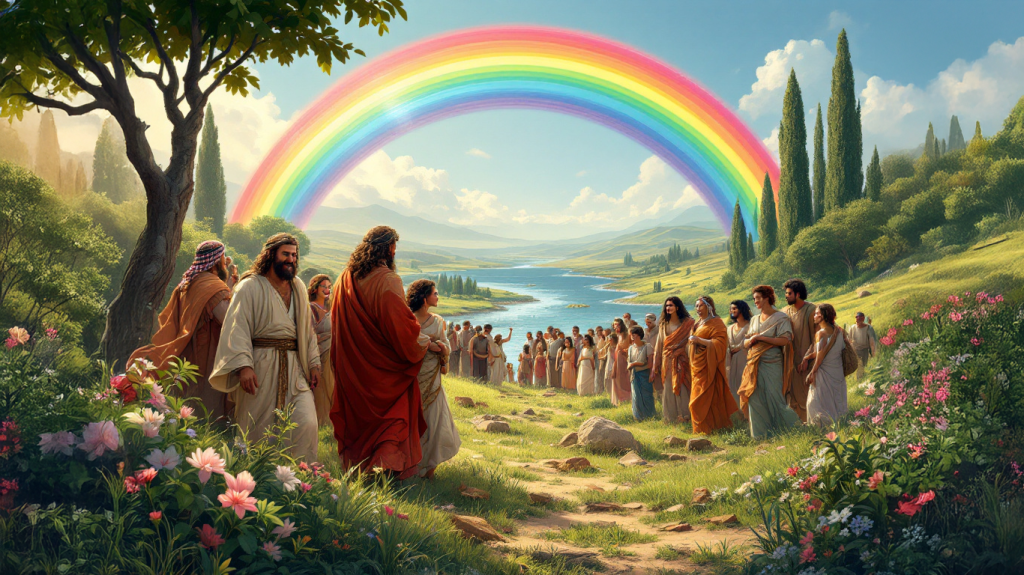
After the flood, Noah and his family step onto dry land, surrounded by nothing but devastation. Yet, almost immediately, God establishes a covenant with them. He vows never again to destroy the earth by a flood, symbolizing His promise with a rainbow (Genesis 9:13). This visual sign of hope points to God’s desire for restoration rather than destruction. In an age where we face natural disasters, societal upheaval, and personal crises, the rainbow reminds us that God can transform even the bleakest scenarios into opportunities for renewal. Instead of resigning ourselves to despair, we can lean on the truth that God remains faithful amid life’s uncertainties.
Moving on to Genesis 10, often called the “Table of Nations,” we glimpse how families branch out, forming diverse people groups across the earth. This chapter may feel like a genealogical detour, but it underscores a critical theme: God’s design for humanity includes variety. This reality is more relevant than ever in our multicultural, interconnected world. We come from myriad backgrounds, each with unique experiences and perspectives that can enrich our collective understanding. Rather than seeing our differences as barriers, we’re called to recognize them as part of God’s intentional tapestry of humanity.
Finally, Genesis 11 introduces the Tower of Babel, a cautionary tale about pride and disunity. The people of Babel aspire to make a name for themselves by building a city and a tower that reaches the heavens (Genesis 11:4). Their ambition is misguided—motivated by self-glory rather than reverence for God. As a result, God confuses their language and disperses them across the earth. In our era of rapid technological and societal advancements, it’s easy to think we can solve all of life’s challenges by human ingenuity alone. But the Babel story warns us not to become so self-reliant that we forget our dependence on God. Our accomplishments are not inherently bad; it’s our motives that matter.
Old Testament scholar Dr. John Walton highlights that the real issue at Babel was humanity’s attempt to define identity and security apart from God. He suggests that “in their quest for prominence, the people of Babel misaligned their priorities, underestimating the significance of dependence on the Creator.” When we push God to the margins of our ambitions, we risk building our own “towers” on shaky foundations.
So how do we apply these lessons today? Recognize that new beginnings often grow out of devastation. Treasure the unique cultures and perspectives around you—they’re part of God’s plan for human flourishing. And remember that while ambition and creativity can be gifts, true success must stay rooted in humble reliance on God. As we continue our biblical journey, let’s keep our hearts open to the ways God brings renewal and unity, even in a world that sometimes feels fragmented.





 The Bible Daily Read
Leave a comment