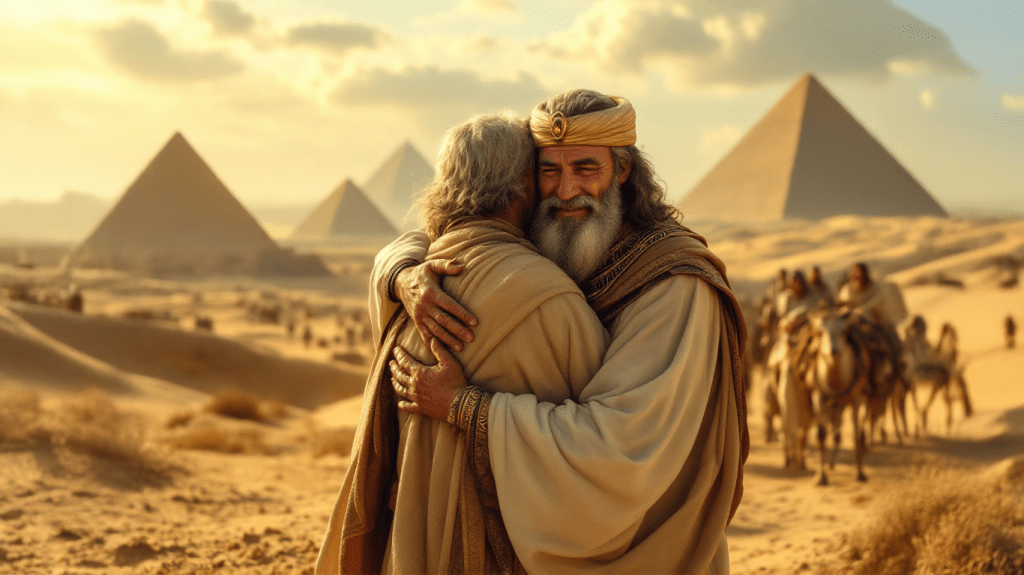
In today’s reading, we observe a significant shift in the storyline as Jacob (also called Israel) and his family move to Egypt at Joseph’s invitation (Genesis 46). We witness a tender reunion between a father and his long-lost son (Genesis 47), and then an unexpected blessing ceremony as Jacob nears the end of his life (Genesis 48). These chapters highlight themes of family restoration, the importance of blessing, and God’s faithfulness—even when our journeys lead us into unfamiliar territory. Although these events took place millennia ago, their lessons still speak powerfully to our modern context.
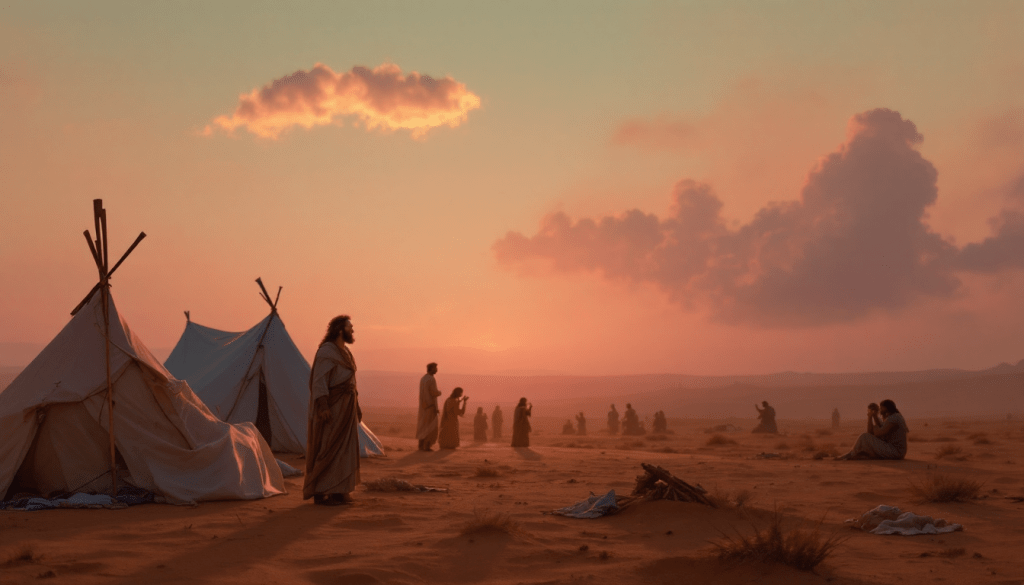
Genesis 46 begins with Jacob preparing to leave Canaan. Despite longing to see Joseph, he pauses at Beersheba to offer sacrifices to God—a deliberate act that reflects both reverence and the need for clarity. Many of us can relate to this sense of entering unknown frontiers—whether it’s a new job, a big move, or a fresh stage in family life. Like Jacob, pausing to acknowledge God’s presence and seek guidance can steady us when we face significant transitions. God’s reassurance to Jacob—“Do not be afraid…I will go down to Egypt with you” (Genesis 46:3–4)—reminds us that divine companionship is not limited to our comfort zones; it accompanies us into the uncharted chapters of our lives.
Arriving in Egypt, Jacob finally reunites with Joseph in an emotional scene that underscores the power of reconciliation (Genesis 46:29–30). It’s a remarkable testament to how deeply God can restore broken circumstances. In a world rife with fragmented families and strained relationships, this moment assures us that reconciliation is possible, even when we’ve spent years believing hope was lost. Sometimes, the path to healing requires stepping into uncomfortable places or confronting painful memories. Yet Jacob’s tears of joy demonstrate that such effort can open the door to profound renewal.
By Genesis 47, we see how Joseph’s administrative prowess sustains both his family and a famine-stricken nation. Jacob’s kin are granted land in Goshen, a fertile area where they can thrive. Even in the face of economic hardship, God’s people experience provision through wise leadership and communal support. This dynamic resonates with current global challenges—economic downturns, resource shortages, and natural crises. We, too, can act with diligence and foresight, sharing resources and seeking solutions that benefit those in need.
Finally, Genesis 48 depicts Jacob blessing Joseph’s sons, Ephraim and Manasseh. In a surprising twist, Jacob crosses his arms to place his right hand on Ephraim, the younger, reversing the expected order. Old Testament scholar Dr. John Walton remarks that this reversal highlights God’s freedom to work outside human conventions. In modern terms, it’s a reminder that promotions, favor, or blessings may come from unexpected quarters. We can’t always predict whose gifts will flourish or what paths will lead to abundance. God’s plans often exceed our own neatly arranged frameworks for how life should unfold.
Reflecting on Genesis 46–48, several takeaways emerge for our current lives. First, when we face transitions, acknowledging God’s presence can guide us and soothe our fears. Second, family relationships—though complicated—can be restored in ways we never imagined, especially when we hold on to hope. Third, during times of crisis, wise stewardship and compassion can sustain entire communities. And finally, God can work in surprising ways to bless and elevate those we least expect, reminding us that divine purpose may confound societal norms.
As you continue your journey through the Bible, let Jacob’s move to Egypt inspire you to trust God’s leading in your own uncharted territories. May his reunion with Joseph encourage you to believe in reconciliation even when circumstances seem beyond repair. And may the blessings poured out on Ephraim and Manasseh prompt you to remain open to God’s unpredictable but always redemptive plans—knowing that He walks with you every step of the way.





 The Bible Daily Read
Leave a comment