
In today’s reading, we walk through Exodus 36–38, where the focus shifts to the practical outworking of the Tabernacle’s construction. These chapters detail how the Israelites—led by artisans Bezalel and Oholiab—faithfully translate God’s instructions into tangible form. While the text recounts measurements, materials, and techniques, the deeper themes of willing service, community collaboration, and reverent craftsmanship remain powerfully relevant in our modern world.
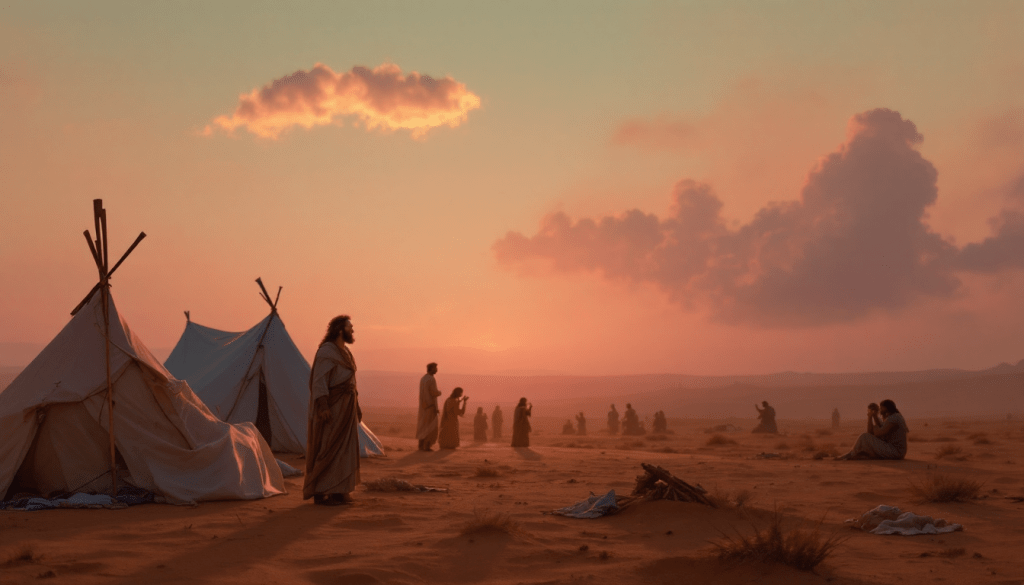
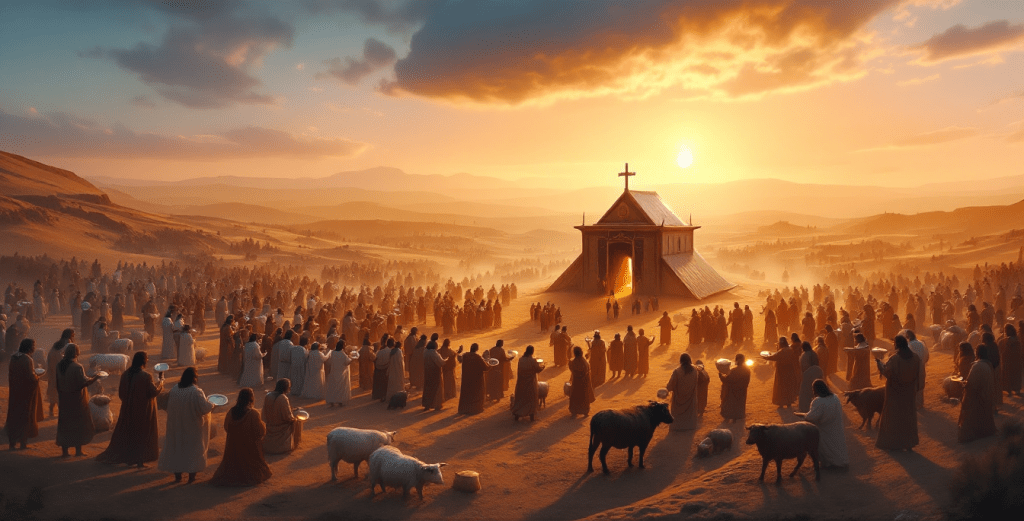
Exodus 36 begins with a striking note: the people have given so generously for the Tabernacle’s construction that Moses must ask them to stop bringing more. This overflow of resources and willingness arises from hearts grateful for deliverance and a renewed covenant. Think of how rarely leaders today announce, “We have enough—no more donations needed!” That kind of abundant generosity can still be seen, however, in communities rallying around a common purpose—perhaps after a natural disaster or to fund a local cause. Such moments exemplify what can happen when individuals channel their time, talents, and finances toward a shared vision. It’s a reminder that when hearts are moved by genuine conviction, scarcity often turns into surplus.
The remaining verses of Exodus 36 and into Exodus 37 lay out specifics of the Tabernacle’s design—its curtains, frames, and the intricate Ark of the Covenant. Old Testament scholar Dr. Walter Brueggemann highlights that the tabernacle construction is an elaborate act of worship, demonstrating God’s interest in beauty and excellence. In our contemporary world, we might express reverence through architectural designs for places of worship, art installations that inspire reflection, or even digital media that fosters spiritual insight. The underlying principle is that human creativity, when aligned with divine purposes, can become a sacred act in itself. Whether you’re writing code, painting a mural, or organizing a community event, your work can be an offering of devotion.
Exodus 38 describes the making of the altar of burnt offering, the bronze basin, and the courtyard. The text also includes a census-based accounting of materials used, underscoring transparency and responsibility in handling communal resources. Even in our modern nonprofit or faith-based organizations, financial accountability is crucial for building trust. Knowing what goes where—and why—can foster unity and confidence in shared endeavors. The biblical record demonstrates a careful stewardship that stands in stark contrast to times and places where leaders misuse collective contributions.
Throughout these chapters, Bezalel and Oholiab take center stage. They are divinely empowered not just in skill but also in instruction—able to teach others (Exodus 35:34). This reminds us that leadership involves multiplying our capabilities, enabling others to join and grow in the work. Today, mentors, teachers, and community organizers who invest in others continue this legacy. Their influence extends beyond personal accomplishments, creating an ongoing ripple effect of knowledge and service.
As you reflect on Exodus 36–38, consider the following questions: In what areas of your life have you seen generosity—whether in resources, time, or talent—abound beyond expectation? How might you integrate creativity and excellence into your daily tasks, not just for self-expression but as a form of worship or communal contribution? And are there opportunities to mentor others, sharing the expertise you’ve gained so that more people can participate in meaningful endeavors?
These chapters show that the construction of God’s dwelling place was not an abstract or purely spiritual concept—it was work, done with real materials by real people, overseen with integrity and carried out with joy. In the same way, each of us can participate in building spaces—literal or metaphorical—where people can encounter something greater than themselves. May the example of the Israelites’ wholehearted collaboration challenge and inspire you to channel your own gifts toward endeavors that honor both God and neighbor.





 The Bible Daily Read
Leave a comment